
Submitted by Ari Dyer
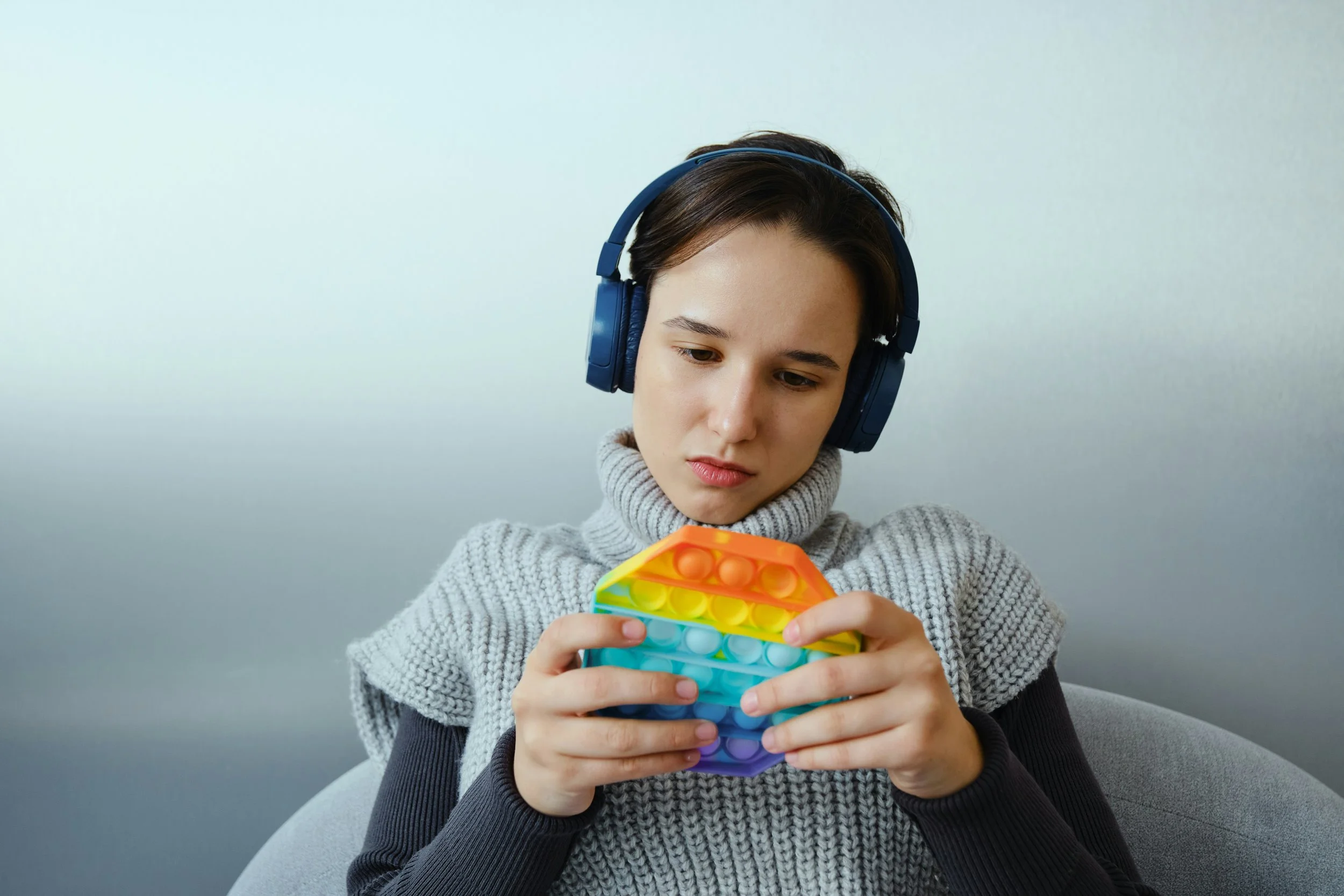


Sensory rooms are rooms that contain equipment that is designed for people to explore with their senses, like light, sounds, and touch. Sensory rooms are sometimes used to support autistic pupils in schools. This is the first study to ask autistic pupils about their experiences of using sensory rooms.
In this study, we interviewed thirteen autistic pupils, aged 11-15, who use sensory rooms in mainstream secondary schools. We also observed them using their school’s sensory room alone for 5 minutes. Two researchers, one of whom was autistic, explored what the pupils said and did.
Pupils told us that the sensory rooms supported their wellbeing and learning and helped them to manage their sensory overwhelm. While they described using sensory equipment, they also described using sensory rooms for other things, like socialising with friends. Importantly, pupils indicated that self-direction was key and appreciated that they got to decide when they used sensory rooms, what they did inside, and who with. In our observations, we saw pupils spending time relaxing, stimming, and engaging with or avoiding sensory experiences. Overall, our findings show that autistic pupils can use sensory rooms to support their learning, wellbeing, and sensory needs in schools, but that self-direction is key.
I’m a young person – what does this mean for me?
Autistic young people may benefit from being able to use sensory rooms in schools. These benefits may be supported by self-directed use of sensory rooms, when autistic young people get to decide what they want to do, when, and with whom.
I’m a teacher - what does this mean for me?
Autistic pupils may benefit from access to sensory rooms. When sensory rooms are available to them, efforts should be made to support pupils' agency when using sensory rooms. They may benefit most when they can decide when and how they use the sensory room.