
Spending less time in bed and nighttime waking are associated with adolescent suicide risk
Submitted by Michaela Pawley
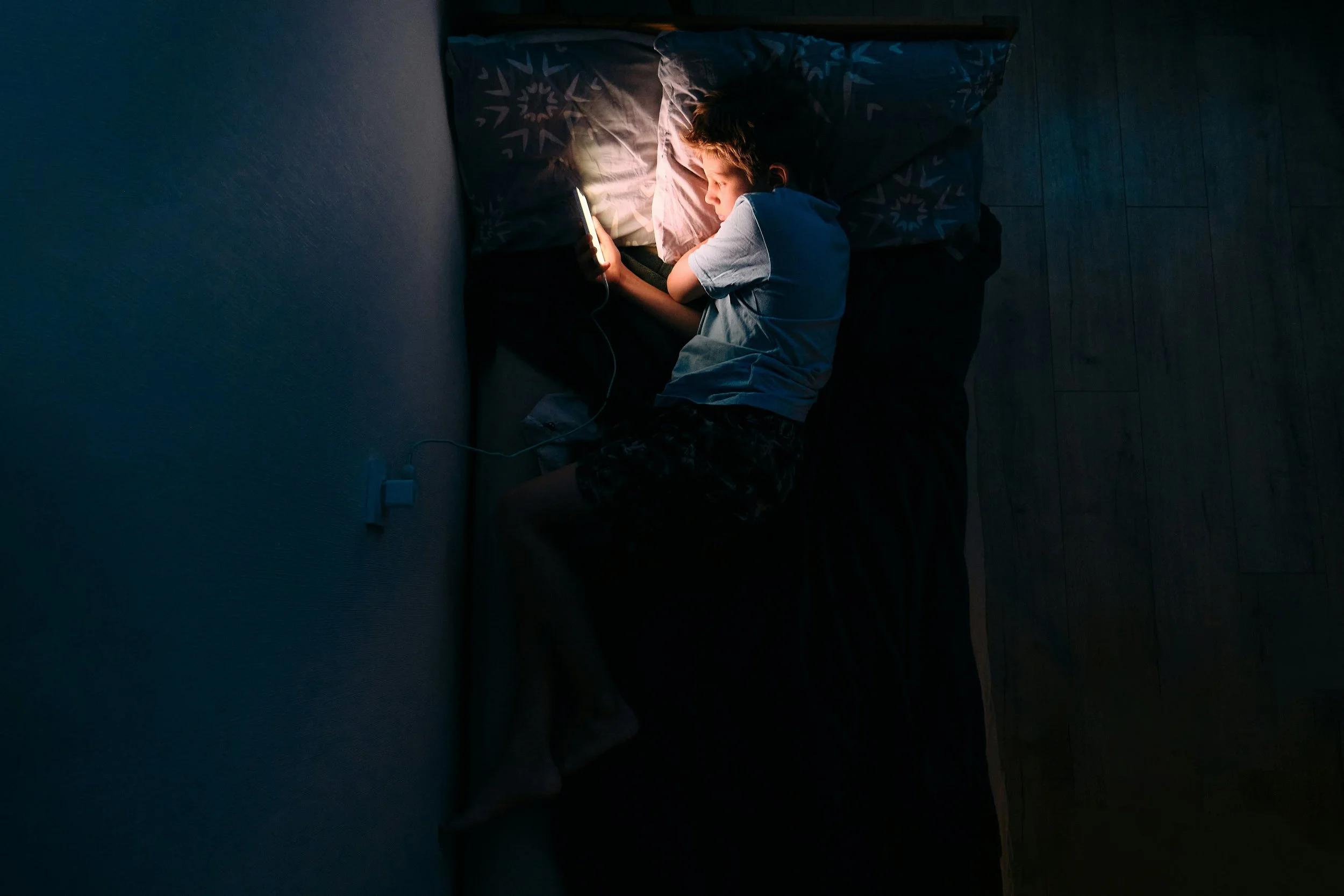


Sleep problems are common during adolescence and may be linked to later suicidal behaviour. This study examined whether different aspects of sleep at age 14 were associated with reporting a suicide attempt at age 17, and if decision-making or risk-taking influenced these associations.
We analysed data from 8,524 young people from a large UK study. Participants reported their usual sleep patterns at 14 years, including bedtimes and wake-up times on school days and weekends, how often they woke during the night, and how long it usually took them to fall asleep. They also completed a computer task assessing decision-making and risk-taking. At 17 years, participants reported whether they had ever attempted suicide.
Adolescents who spent less time in bed on school nights or who woke up more frequently during the night were more likely to later report a suicide attempt. These associations remained after accounting for several risk factors, including depression, previous self-harm, socioeconomic circumstances, and other emotional or behavioural difficulties. Decision-making also appeared to influence the association between night awakenings and later attempted suicide.
The findings show an association between specific aspects of poor sleep and later reported suicide attempts. Importantly, sleep was measured using brief self-report questions, and the timing of the reported suicide attempt was not assessed. Therefore, we need further research using more detailed sleep measures and repeated assessments to understand whether sleep problems increase suicide risk. This insight can then provide actionable and relevant targets for early intervention.
I’m a young person – what does this mean for me?
While sleep problems are common and often viewed as a normal part of being a teenager, it is important that we prioritise our sleep as much as we can. More and more research is suggesting that the negative consequences of bad sleep spans across more than just feeling groggy the following day. It’s recommended that teenagers get around 8-10 hours of good quality sleep each night. If you are worried about your sleep, please seek support from a trusted adult, like a parent, teacher, or your GP.
I’m a clinician – what does this mean for me?
Sleep problems may reflect an important marker of risk and be worth targeting to improve mental health outcomes in adolescents. Given that sleep problems and mental health go hand-in-hand, it’s important to ask young people about their sleep and provide them with the necessary support if they are facing challenges with this.